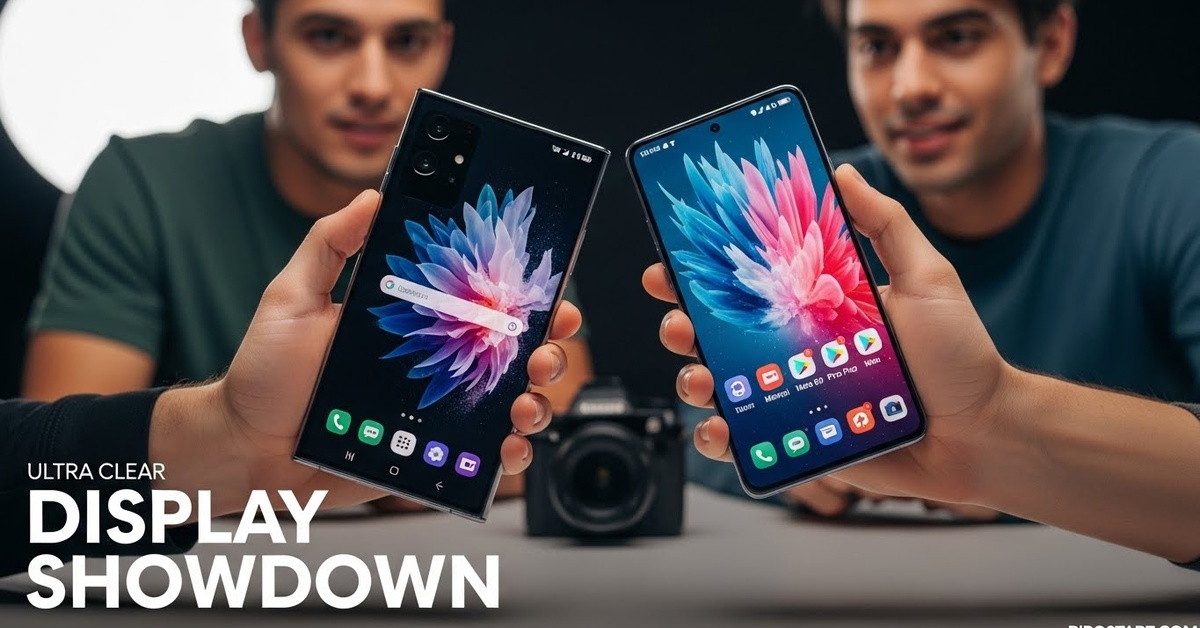
A big screen battle is heating up. Tech fans are talking about two top phones. The Samsung Galaxy S25 Ultra faces the Huawei Mate 80 Pro Max. Everyone wants to know: which phone has the best display?
People are buzzing about these powerful devices right now. Experts are digging deep into their screen specs. You need to know which one truly shines.
Samsung Galaxy S25 Ultra: Brightness and Color King?
Samsung always pushes display tech. The Galaxy S25 Ultra is no different. It uses a new generation of its Dynamic AMOLED screen. This means amazing colors. They pop right off the screen.
The S25 Ultra boasts incredible brightness. Reports suggest it reaches a peak of 3000 nits. This makes it super easy to see outside. Even bright sunlight is no match. Colors stay vibrant and true.
Its display offers a very smooth experience. It has an adaptive refresh rate. This goes up to 120Hz. Scrolling is fluid. Gaming feels lightning-fast. Samsung’s color accuracy is also top-tier. It shows colors just as they should be. This is crucial for viewing photos or videos.
The screen size is a generous 6.8 inches. It offers a stunning QHD+ resolution. This gives you sharp, clear images. Text looks crisp. Details are easy to spot. Samsung screens are often seen as the industry standard.
Huawei Mate 80 Pro Max: Resolution and Detail Champion
Huawei is making big waves too. Their Mate 80 Pro Max is a true challenger. It comes with a stunning display of its own. This phone focuses on incredible detail. It often uses unique panel technology.
The Mate 80 Pro Max could feature a high-resolution screen. Some reports point to a 2K+ resolution. This offers amazing sharpness. Every pixel counts on this phone. You will see fine details in every image.
Its display boasts excellent color depth. It shows millions of colors. This makes gradients smooth. Pictures look more lifelike. The screen also gets very bright. It competes closely with Samsung. You can learn more about display technology here: AMOLED Display Technology.
Huawei sometimes uses slightly curved displays. This can make the phone feel more premium. It offers an immersive viewing experience. The Mate 80 Pro Max screen measures around 6.9 inches. It is slightly larger than Samsung’s.
Which Display Wins Today’s Flagship Face-Off?
Choosing a winner is tough. Both phones have fantastic displays. Your personal needs might sway you. But let’s look at the direct comparison.
Samsung’s S25 Ultra focuses on extreme brightness. Its 3000 nits peak brightness is hard to beat. It also has incredible color calibration. This makes content look stunning. The smooth 120Hz adaptive refresh rate is a major plus.
Huawei’s Mate 80 Pro Max shines with resolution. Its likely 2K+ resolution offers superb detail. This is great for those who value sharpness above all. Its larger screen also offers more viewing space. Both phones offer vibrant colors. They both give you a smooth experience.
Think about what you value most. Do you watch movies outdoors often? Samsung’s brightness might be for you. Are you a pixel peeper? Huawei’s higher resolution could be better.
Many tech sources are discussing this rivalry. The latest word points to Samsung holding a slight edge in overall panel quality. This is due to its consistent high brightness and excellent factory calibration. However, Huawei is catching up fast. They offer unique features and superb clarity.
This is a very tight race. Both companies use cutting-edge display technology. They want to give you the best viewing experience. You cannot go wrong with either screen. They truly represent the best of current smartphone tech. What do you think is more important in a phone display? You can also check out current trends in phone displays here: Best Phone Displays.
| Feature | Samsung Galaxy S25 Ultra | Huawei Mate 80 Pro Max |
| Panel Type | Dynamic AMOLED | Advanced OLED |
| Peak Brightness | 3000 nits (expected) | Very High (competitive) |
| Refresh Rate | Adaptive 120Hz | High (likely 120Hz) |
| Resolution | QHD+ | 2K+ (expected) |
| Screen Size | 6.8 inches | 6.9 inches (expected) |
Ultimately, both are top-tier. They show how far smartphone screens have come. The choice comes down to personal taste. You get a fantastic visual experience either way. These flagship displays set a new standard today.